
Military Vehicles at Temple At War: History on Wheels
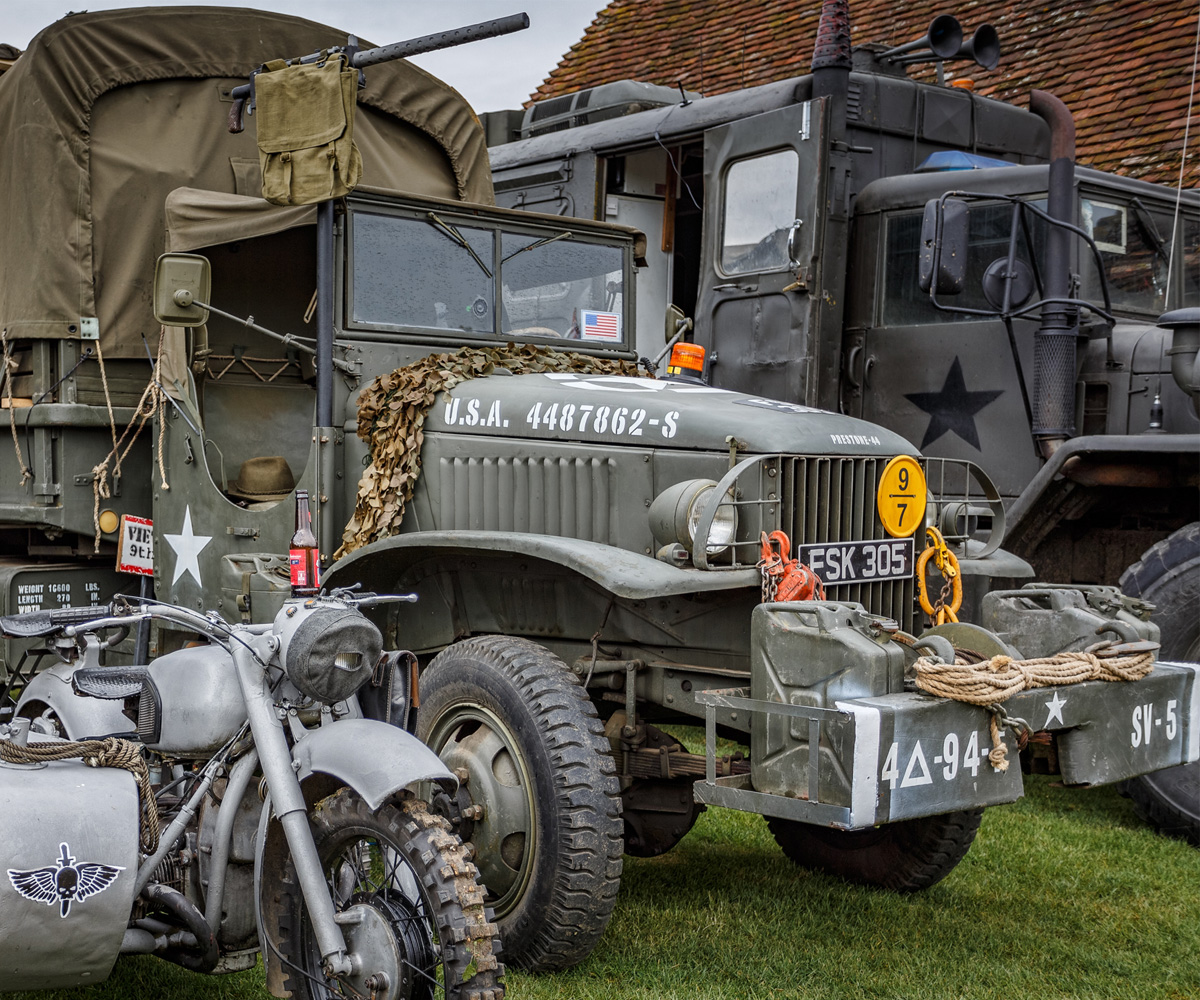
There’s something absolutely magical about standing next to a genuine World War II Willys MB Jeep, hearing the rumble of its engine, and knowing that this very machine once rolled across European battlefields. At Temple At War, we bring you face-to-face with hundreds of historic military vehicles that tell the incredible stories of courage, innovation, and human determination.
A Rolling Museum of Military History
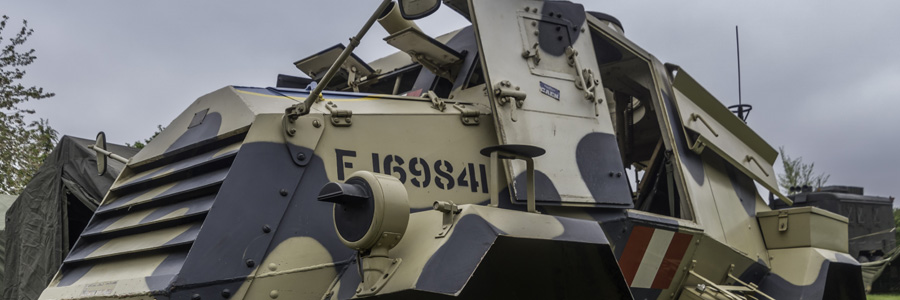
Every vehicle here has a story to tell. You’ll discover meticulously restored WW2 German Kubelwagens sitting alongside British Army Land Rovers, American half-tracks parked next to Soviet-era personnel carriers, and everything in between. The diversity is staggering – one moment you’re admiring the sleek lines of a 1940s staff car, the next you’re marveling at the imposing presence of a post-war armoured vehicle.
Get Up Close and Personal
What sets Temple At War apart from traditional museums is the interactive experience we offer. These aren’t just display pieces behind velvet ropes – they’re living, breathing pieces of history that you can touch, explore, and truly connect with. Many of our vehicle owners are more than happy to lift hoods, open hatches, and show you the mechanical marvels that kept these machines running in the most challenging conditions imaginable.
Want to know how a WWII radio operator communicated with headquarters from inside a moving armoured vehicle? Curious about the ingenious engineering that allowed a half-track to traverse muddy battlefields? Fascinated by the armour plating that protected crews from enemy fire? Our passionate owners and expert volunteers are walking encyclopedias, ready to share fascinating details that you simply won’t find in textbooks.
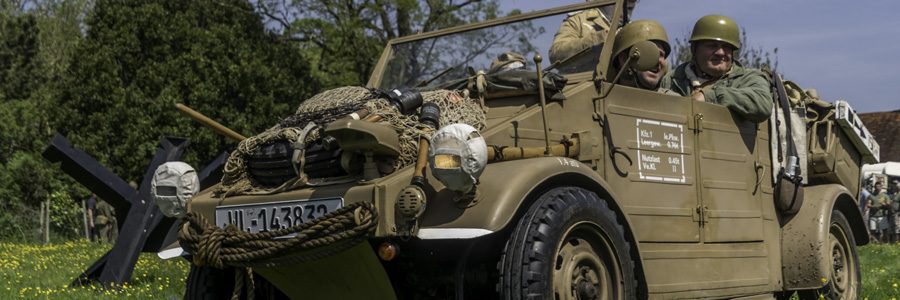
The best part? Many owners encourage visitors to climb aboard selected vehicles. Imagine settling into the driver’s seat of a genuine WWII Jeep, gripping the steering wheel that once guided soldiers through dangerous territory. Or picture yourself in the commander’s cupola of an armoured vehicle, gaining a real appreciation for the cramped conditions and limited visibility that armoured vehicle crews had to endure.
The Passion Behind the Paint
Every restored military vehicle represents hundreds – often thousands – of hours of painstaking work. When you meet our vehicle owners, you’re encountering some of the most dedicated enthusiasts in the world. These aren’t just collectors; they’re historians, mechanics, detectives, and preservationists all rolled into one.
Take Dave, who spent five years tracking down original parts for his 1943 Ford GPW. He’ll tell you about discovering the engine block in a Yorkshire scrapyard, finding the correct steering wheel at a swap meet in Germany, and painstakingly researching period-correct paint colours using military archives. Or chat with Sarah, whose meticulously restored Daimler Dingo scout car was actually used in the D-Day landings – she’s got the documentation to prove it.
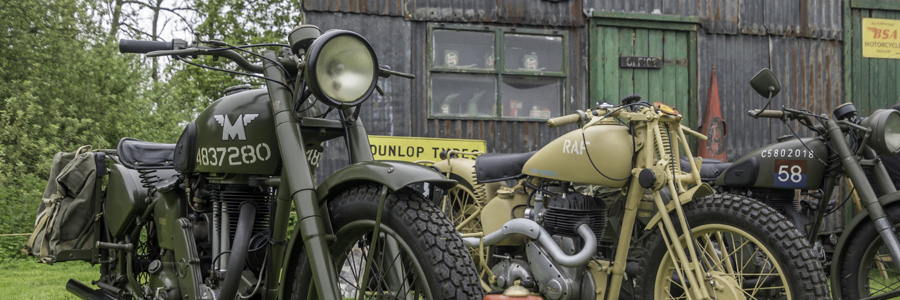
These owners don’t just restore vehicles; they resurrect history. They understand that every rivet, every gauge, every piece of kit tells part of a larger story about human ingenuity and sacrifice. When they explain how they sourced original canvas for a vehicle cover or tracked down the correct type of headlight, you’re witnessing dedication that goes far beyond simple hobby collecting.
Something for Everyone
Military vehicle enthusiasts obviously get a massive kick out of our displays, but you might be surprised by how much broader the appeal goes. Families find that kids are absolutely mesmerized by these mechanical giants. There’s something about the size, the noise, and the interactive nature that captures young imaginations in a way that static museum displays simply can’t match.
Engineering students and professionals are fascinated by the innovative solutions these vehicles represent. How do you create a vehicle that’s both heavily armoured and highly mobile? What compromises did designers make between protection, speed, and reliability? These machines are masterclasses in practical engineering under extreme constraints.
History buffs appreciate the context these vehicles provide. It’s one thing to read about Operation Market Garden; it’s quite another to sit in the actual type of jeep that paratroopers used during the operation. The vehicles make abstract historical events tangible and real.
Even people with no particular interest in military history find themselves drawn in by the human stories. These weren’t just machines – they were homes, workplaces, and lifelines for the young men and women who operated them. Understanding the vehicles helps you understand the people who served.
Frequently Asked Questions
On selected vehicles, yes—always ask the owner first and follow their guidance. Children must be supervised.
Absolutely. Many owners and volunteers are on hand and love chatting about their vehicles.
Yes—please do. Be mindful of barriers and ask before photographing inside crewed or private vehicles.
Yes. There are accessible routes around display areas, with level ground and viewing gaps. Our team is happy to help if you need assistance.
Vehicles take part in scheduled battle demonstrations in the Battle Arena only. They do not move around the site outside these displays. Check the daily timetable on-site for times (weather and safety dependent).